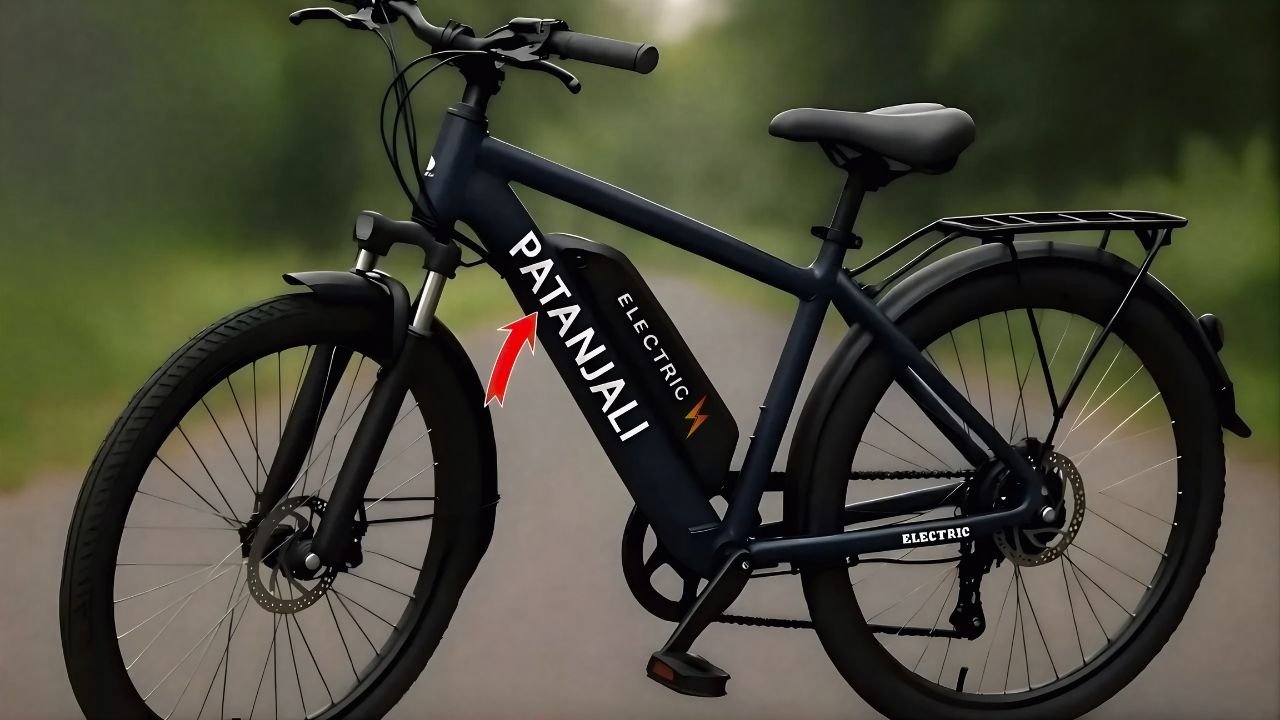
Patanjali Electric Cycle launch 2026: The electric bike from Patanjali sets it so striking from all the non-electric cycles on the road today in India. This high-end good is a luxurious experience. The difference, of course, is that it is an affiliated guide with electronic components instead of as much data as an electric cycle. This option is in the process of finding one that offers everything, not just due to fame or aesthetics.
| Feature | Details |
|---|---|
| Model | Patanjali Electric Cycle 2026 |
| Frame Type | Lightweight Steel/Alloy (Expected) |
| Motor | Hub-Mounted Electric Motor |
| Motor Power | Expected 250W Class |
| Battery Type | Lithium-Ion |
| Range | Expected 40–60 km per charge |
| Charging Time | Around 3–4 Hours |
| Top Speed | 25 km/h (Estimated) |
| Pedal Assist | Multiple Assist Modes |
| Display | Digital Speed/Assist Meter |
| Lighting | LED Headlamp and Rear Reflector |
| Brakes | Front and Rear Mechanical Brakes |
| Ride Comfort | Upright Posture with Padded Seat |
| Suitable For | Daily Commuting and Fitness Riding |
| Expected Price | Budget-Friendly Segment |
| Expected Launch | 2026 |
Electric Motor & Battery Performance
The Patanjali Electric Cycle is powered by an integrated setup with a compact motor promising silky-smooth pedaling assistance and splendid riding. The cycle looks like it’s going to have a battery, perhaps lithium-ion or lead-acid variant but with comfortably commutable range, making it an ideal option for somewhere nearby and around one’s city. Another major attraction is the expected chance of plugging in the battery at home and charging, thanks to its designed support mechanism, a simple-feeder power outlet. The company possibly plans at creating an efficient locomotive for making the cost of travel very low, practically nothing, by keeping the greatest efficiency-quite as achievable.

Features and Technology Integration
although best known for traditional systems in their yoga literature, the electric cycle from patanjali featured digital display for indicated battery charge, speed, and distance. Additional LED lighting may contribute sensibly to the security and comfort of travel, including an effective braking system and other elementary protection measures. Perhaps the brand can further look at enhancing the energy-saving parts and assist the mobility of nature by using long-lasting tires.
Target markets and affordability
The principal attracting feature of “Patanjali Electric Cycle” is undoubtedly its economical price range. Patanjali has lately been quite appreciated for its cost-effective offerings in various categories, and the fashion is likely to continue even for this electric cycle. The target group for the cycle will ideally include students, office-going commuters, delivery personnel, exercise fanatics, and rural populations hunting for affordable mobility options. By blending low operation cost, minimum maintenance, and ease of driving due to the e-support, the intention of Patanjali becomes, making green transportation commercially feasible throughout large parts of India.
Health,And Environment
Patanjali’s iconic health-focused branding will suit the ethos behind the advent of the electric cycle. This will spur people, go for the pedal-assist and promote a style of living that is healthily oriented and also kind on fuel emissions. The eco-centric among the society will appreciate less carbon footprint, while the family would see the cycle as a trustworthy and economic option to enjoy daily errands.
The design of the Patanjali e-cycle is assumed to follow a philosophy of simple and functional design for everyday commuters. In all likelihood, the upcoming electric cycle will be lightweight while being strong enough for use on city roads and slightly rugged countryside terrain. The cycle could have a comfortable seat, handlebars with ergonomic positioning, and a solid backbone securing general riding convenience. Since Patanjali is very much a usability-oriented brand, it could be anticipated that their bike is fashioned in simple and minimalistic design that appeals to possibly all age groups.

Conclusion
The electric cycle from Patanjali stands for the common realization of the brand’s venture into electric mobility with its key features in affordability, ease of use, and sustainability. In a broader sense, it is helping the scenario whereby India shifts toward cleaner modes of transportation and mounting fuel expenses are gradually dictating the consumer’s buying behaviors; therefore, the emergence of a budget-friendly electric cycle from a well-meaning house brand shall simply become a boon for the vast population. Should this offering be carried through to its logical end, it is likely that Patanjali entering the electric cycles space would set other standards for widespread eco-friendly commuting in India.
 Join WhatsApp